How to Choose the Right Educational Resources for Your School
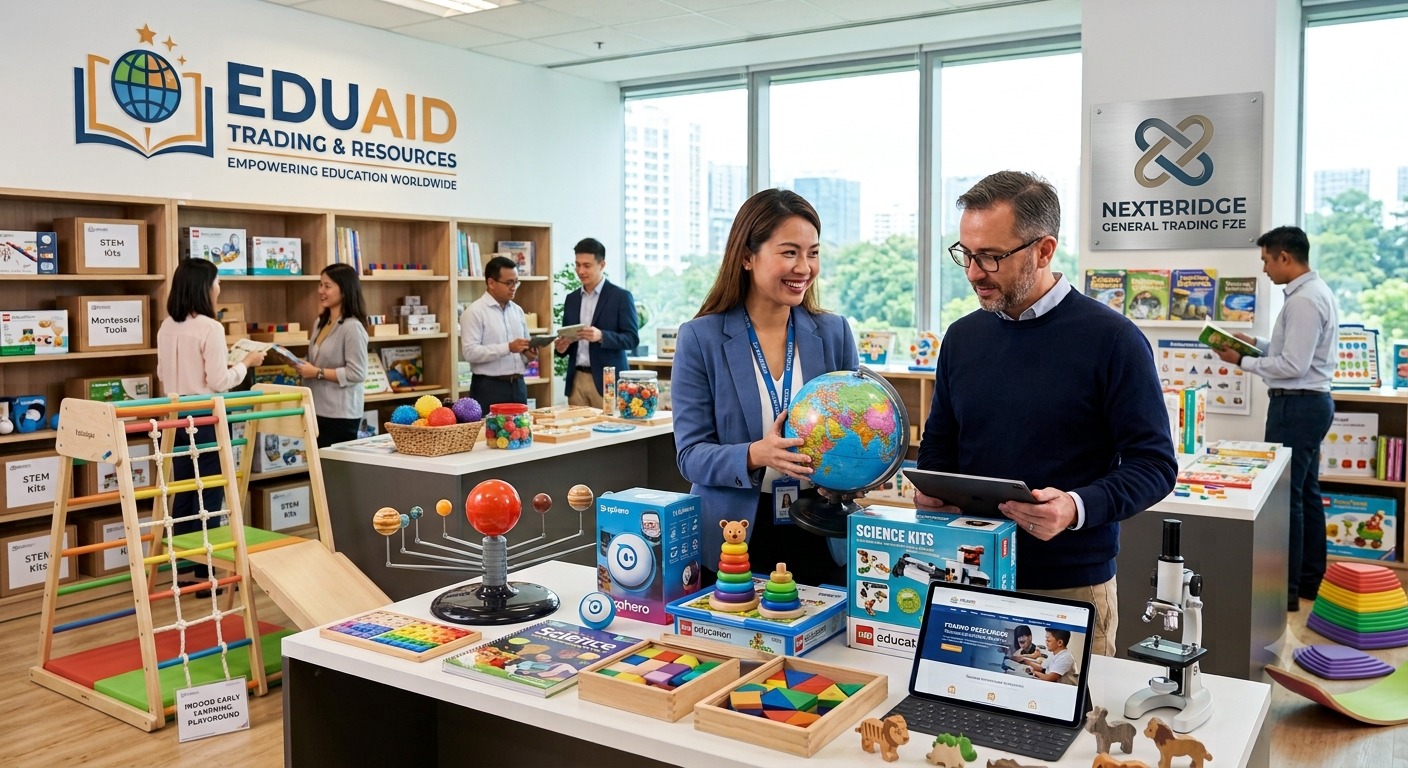
Selecting the right educational resources is one of the most consequential decisions a school administrator can make. Textbooks, teaching aids, and classroom materials shape the daily learning experience of students and directly influence educational outcomes. Yet the process of evaluating and procuring these resources — especially for institutions that follow international curricula — involves navigating a complex landscape of standards, publishers, budgets, and timelines. A systematic approach ensures that every investment in educational materials delivers genuine value for both teachers and students.
Aligning Resources with Curriculum Standards
The starting point for any resource selection process is the curriculum framework the school follows. In the UAE and the broader Gulf region, schools typically align with one of several established systems: the UAE Ministry of Education (MoE) curriculum for Arabic, Islamic Studies, and Social Studies; the British curriculum leading to IGCSE and A-Level qualifications; the American curriculum with Advanced Placement (AP) options; or the International Baccalaureate (IB) framework. Each curriculum has specific learning objectives, assessment criteria, and content requirements that resources must address. Textbooks and supplementary materials designed for the British curriculum, for example, may not adequately cover the scope and sequence expected by the American system — even in subjects that appear similar on the surface. Schools should map every potential resource against their curriculum's standards and objectives before making procurement decisions.
Evaluating Textbook Quality and Publisher Credentials
Not all textbooks are created equal, and the reputation of the publisher matters. Established educational publishers such as Pearson, Oxford University Press, McGraw-Hill, and Collins have decades of experience developing pedagogically sound materials that have been tested in classrooms around the world. When evaluating a textbook, consider several factors: the edition currency — content should reflect the latest developments in the subject area and incorporate modern teaching methodologies; the availability of supplementary materials including teacher guides, workbooks, assessment banks, and digital resources; the quality of illustrations, diagrams, and layout that support rather than distract from learning; and the alignment with examination board specifications for terminal qualifications. Requesting sample copies and conducting pilot evaluations with a small group of teachers before committing to a full school-wide adoption is a practice that pays dividends.
Teaching Aids and Classroom Technology
Beyond textbooks, the modern classroom relies on a ecosystem of teaching aids that enhance instruction and engage students. Interactive whiteboards have become standard in many schools, enabling dynamic presentations, multimedia integration, and interactive exercises. High-quality projectors remain essential for larger classrooms and lecture halls. Educational software — from language learning platforms like Raz-Kids and Reading Eggs to mathematics programs such as Mathletics — provides personalized learning pathways and detailed progress tracking. When selecting technology resources, compatibility with existing infrastructure is crucial; a school's IT team should be involved early in the evaluation process to assess network requirements, device compatibility, and ongoing maintenance needs. Additionally, professional development for teachers must accompany any significant technology investment to ensure effective classroom implementation.
Budget Considerations and Bulk Purchasing Strategies
Educational resources represent a significant line item in any school's operating budget, making strategic procurement essential. Bulk purchasing through established trading and distribution partners can reduce per-unit costs substantially — savings that become especially meaningful when outfitting an entire grade level or school. Schools should explore volume discounts, multi-year supply agreements, and consolidated shipping options that minimize logistics expenses. It is also worth considering a phased implementation approach for major resource adoptions, spreading the financial commitment across two or three academic years rather than absorbing the full cost at once. Building a relationship with a reliable trading partner who understands the education sector can provide access to competitive pricing, priority allocation during high-demand periods, and flexibility in payment terms.
The Procurement Cycle and Academic Calendar Planning
Timing is everything in educational procurement. The academic calendar dictates when resources must be available — textbooks and materials need to be in teachers' hands well before the first day of school, which means orders should be placed months in advance. For the typical September school start, the ideal procurement window runs from March through May, allowing adequate time for publisher lead times, international shipping, customs clearance, and distribution. Late orders not only risk materials arriving after the school year begins but also limit the available selection, as popular titles often sell out during peak ordering seasons. Schools should establish an annual procurement calendar with clear milestones, assign ownership for each stage, and maintain buffer time for unexpected delays in shipping or customs processing.
Conclusion: A Practical Evaluation Checklist
Choosing the right educational resources requires balancing multiple considerations: curriculum alignment, academic quality, budget constraints, and logistical feasibility. A practical evaluation framework would include verifying alignment with the school's specific curriculum standards and examination requirements, assessing the publisher's track record and support ecosystem, evaluating the quality and currency of content through teacher-led pilots, confirming technology compatibility and professional development needs, comparing total cost of ownership — not just unit prices but shipping, storage, and replacement cycles — and planning procurement timelines around the academic calendar with adequate buffer. By approaching resource selection as a strategic, year-round process rather than a last-minute purchasing decision, schools can ensure their classrooms are equipped with materials that genuinely enhance teaching and learning.
Interested in Educational Supplies?
Nextbridge General Trading FZE can help your school source quality educational resources. Contact us to discuss your requirements.
 0553226835
 info@nextbridgegeneraltrading.com
 Chat on WhatsApp