The Rise of Smart Home Appliances: What Retailers Should Stock
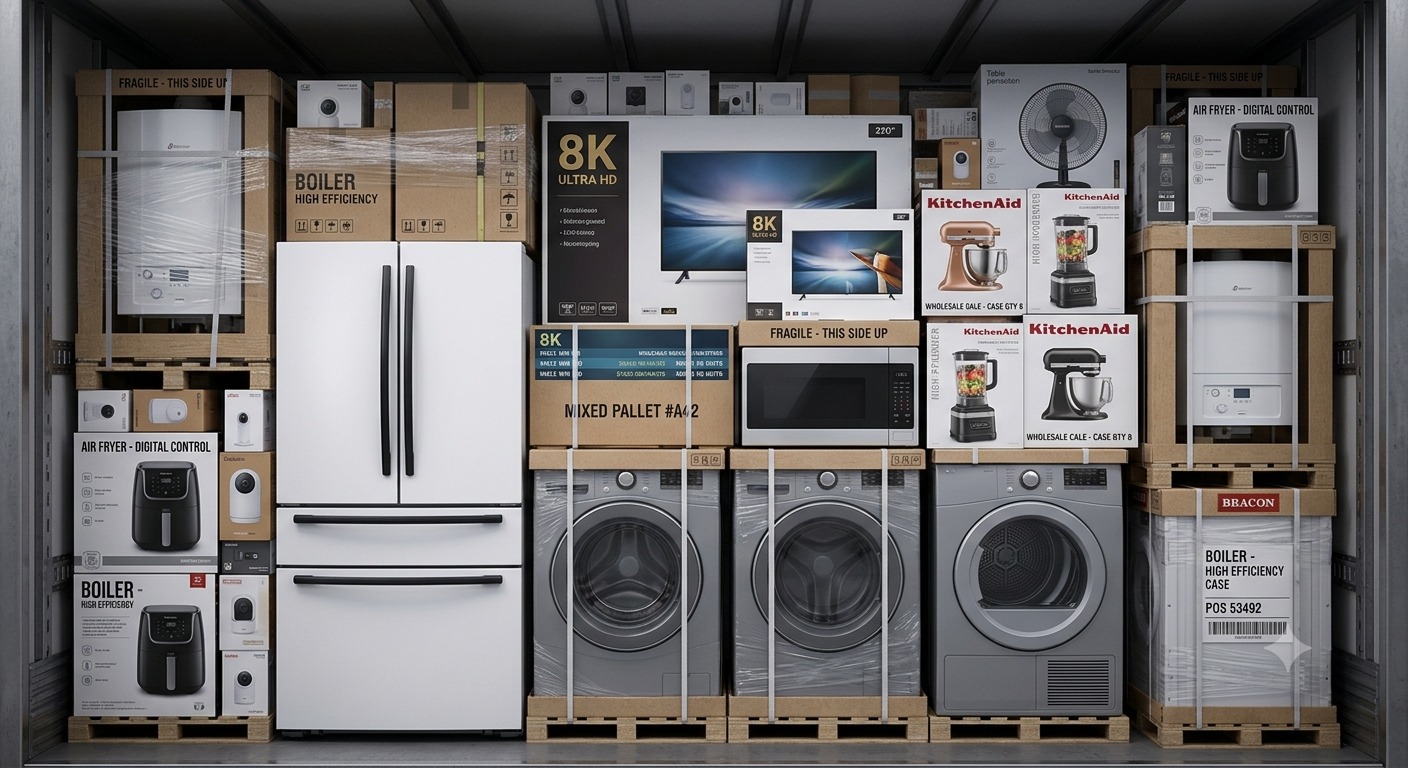
The smart home market is experiencing explosive growth, with global projections exceeding 200 billion dollars by the end of the decade. Within this broader category, smart home appliances represent one of the fastest-growing segments as manufacturers integrate Wi-Fi connectivity, artificial intelligence, and voice control into everyday household devices. For appliance retailers, this shift presents both a significant opportunity and a strategic challenge: which categories should you stock, at what price points, and how do you support customers after the sale? Getting the answers right can position your business at the forefront of a transformative market trend.
Key Categories: What Consumers Are Buying
Several smart appliance categories have moved beyond early adopters and into the mainstream. Smart refrigerators, equipped with internal cameras that let users check contents from their smartphones, touchscreen interfaces for family calendars and recipe suggestions, and AI-powered inventory management that can generate shopping lists, are leading the premium kitchen segment. Voice-controlled ovens that respond to commands through Amazon Alexa or Google Assistant allow users to preheat, adjust temperatures, and monitor cooking progress without touching a dial. App-connected washing machines enable remote cycle selection, energy consumption monitoring, and maintenance alerts, appealing to busy households that value convenience. Robot vacuums with LiDAR mapping, room-by-room navigation, and self-emptying docks have become one of the most accessible entry points into the smart home ecosystem, with models available across a wide price range.
Understanding Consumer Priorities
When consumers invest in smart appliances, three priorities consistently drive their purchasing decisions. Convenience is the top motivator — the ability to control appliances remotely, receive alerts about maintenance needs, and automate routine tasks saves time and mental energy. Energy savings rank second: smart appliances often include eco-modes, energy usage dashboards, and the ability to schedule operation during off-peak electricity hours, which resonates strongly with cost-conscious and environmentally aware buyers. Remote control and monitoring come third, providing peace of mind — knowing that you turned off the oven or that the washing machine finished its cycle while you were out. Retailers who can articulate these benefits clearly, rather than simply listing technical specifications, will connect more effectively with customers.
Price Points and Margins for Retailers
Smart appliances typically carry higher retail prices than their conventional counterparts, with premiums ranging from 20 to 50 percent depending on the category and brand. Smart refrigerators occupy the highest tier, often starting at 3,000 dollars and reaching upward of 6,000 dollars for flagship models, delivering attractive absolute margins even at moderate percentage rates. Robot vacuums span the widest price spectrum — from entry-level models around 200 dollars to premium units exceeding 1,500 dollars — making them a versatile category that retailers can merchandise across multiple price bands. For margin optimization, retailers should focus on mid-tier and premium models where the value proposition is clearest and price sensitivity is lower, while maintaining entry-level options to capture first-time smart home buyers who may upgrade later.
Stocking Strategy: Brands and Prioritization
A thoughtful stocking strategy balances brand recognition, category coverage, and inventory investment. Established global brands — Samsung, LG, Bosch, and Whirlpool — bring consumer trust and marketing support but often come with more restrictive dealer requirements and tighter margins. Emerging brands, particularly in the robot vacuum and smaller kitchen appliance categories, can offer higher margins and differentiation but require careful vetting for quality and after-sales support. The most effective approach is a tiered strategy: carry one or two flagship brands in major appliance categories to establish credibility, complemented by select challenger brands that offer compelling features or price advantages. Prioritize categories with the highest growth rates — robot vacuums, smart washing machines, and connected kitchen appliances — while monitoring emerging subcategories like smart air purifiers and water heaters for early-mover opportunities.
After-Sales Considerations
Selling a smart appliance is not the end of the customer relationship — it is the beginning. Smart appliances introduce after-sales considerations that traditional appliances do not: installation may involve connecting the device to the home Wi-Fi network and configuring companion apps, which can be challenging for less tech-savvy customers. Connectivity issues — from router compatibility to firmware updates — can generate support calls that conventional appliance retailers are not staffed or trained to handle. Warranty coverage for smart components, including software support lifecycles and data privacy policies, requires clear disclosure to avoid post-purchase dissatisfaction. Retailers who invest in training their sales and support teams on smart appliance setup, offer installation services — even as a paid add-on — and maintain clear troubleshooting documentation will build the customer trust that drives repeat business and referrals.
Conclusion: Building Your Smart Appliance Inventory
The smart home appliance market is no longer a future trend — it is today's reality, and retailers who move decisively will capture disproportionate share. Start by stocking the categories with the broadest consumer appeal: robot vacuums as an accessible gateway product, smart washing machines for the practical buyer, and smart refrigerators or ovens for the premium segment. Partner with brands that offer strong after-sales support and clear warranty terms. Train your team to sell benefits rather than features, and build the support infrastructure — whether in-house or through manufacturer partnerships — that ensures customers have a positive experience from purchase through installation and daily use. The appliance retailers who succeed in the coming decade will be those who understand that they are no longer just selling machines — they are selling connected experiences that make homes more convenient, efficient, and intelligent.
Interested in Smart Appliances?
Nextbridge General Trading FZE can help you source the latest smart home appliances. Contact us to discuss your inventory needs.
 0553226835
 info@nextbridgegeneraltrading.com
 Chat on WhatsApp